
SPC vinyl flooring, also known as Stone Polymer Composite flooring, represents the pinnacle of modern flooring innovation, offering unparalleled durability and resilience. This luxury vinyl variant fuses limestone with stabilizers to create a core of exceptional toughness. Notably waterproof, SPC flooring also features a remarkable density that renders it superior in resisting impacts and accommodating substantial loads.
SPC flooring's advantages are diverse and particularly evident in environments subjected to intense foot traffic or prone to liquid exposure. Residential homeowners embarking on kitchen and bathroom renovations prize SPC vinyl for its robust performance against humidity and temperature variations. Similarly, in commercial domains such as bustling retail outlets or dynamic office spaces, its robust nature and low-maintenance requirements are highly valued.
Key Considerations for SPC Flooring Installation
The art of installing SPC flooring demands exactitude. Flawless installation is critical to preserving both the aesthetic and structural integrity of the flooring for the long term. CabStone's dedication to superior craftsmanship is evident in their installation process, which guarantees a flawless finish and enduring performance, leaving no margin for error.
Opting for SPC flooring and entrusting its installation to consummate professionals is tantamount to investing in a floor that will maintain its pristine condition and stability for years. It is this fusion of top-tier materials and expert installation that positions SPC vinyl flooring as an astute investment for those seeking to elevate the durability and visual appeal of their spaces.
When embarking on the installation of SPC (Stone Plastic Composite) vinyl flooring, it's essential to meticulously evaluate the space to ensure optimal performance and durability. A flawless installation begins with a thorough inspection of the subfloor. It should be flat, stable, and free of any debris or defects. Any irregularities can translate to imperfections in the SPC flooring, potentially compromising its integrity and appearance. It is recommended that the subfloor variation does not exceed 3/16 inch over a 10-foot span. If necessary, employ leveling compounds to achieve the required evenness.
Moreover, the subfloor must be dry, with moisture levels strictly adhering to manufacturer specifications. Excessive moisture can wreak havoc on SPC flooring, causing it to warp or swell. A moisture barrier may be necessary depending on the existing subfloor and the specific product being installed. It is also crucial to acclimate the SPC planks to the environment where they will be installed. This means allowing the flooring to adjust to the room's temperature and humidity levels for at least 48 hours prior to installation.
Environmental factors such as temperature and humidity play a pivotal role in the successful installation of SPC flooring. The area should be maintained at a consistent temperature between 65 and 85 degrees Fahrenheit, and humidity levels should be kept between 30% and 50% both during and after installation. These conditions help minimize expansion and contraction of the flooring material.
Lastly, consider the expected traffic and usage of the space. SPC flooring is renowned for its resilience and is well-suited for high-traffic areas. However, appropriate selection and installation are key to ensuring the flooring can withstand the demands of the environment, whether it is a bustling family kitchen or a high-volume retail space.
By diligently addressing these key considerations, you can lay the groundwork for SPC vinyl flooring that not only looks stunning but also stands the test of time, reflecting CabStone's commitment to top-tier quality and installation craftsmanship.
Properly acclimating SPC vinyl flooring to its new environment is essential to avert post-installation expansion or contraction. This crucial step requires the flooring to be left in the installation area for approximately 48 hours to adapt to the ambient temperature and humidity levels. Neglecting this process can result in gaps or buckling, which can compromise the floor's structural integrity and visual charm.
Compiling the appropriate tools prior to commencing installation is key to ensuring a seamless and productive operation. Essential tools typically include items such as a tape measure, utility knife, rubber mallet, spacers, and a tapping block. For professional installers, additional specialized equipment like a pull bar or a floor roller may be necessary. Having all necessary tools readily available is vital to prevent disruptions during installation, which helps maintain a high standard of workmanship and adherence to the project timeline.
Preparing a clean, level, and moisture-free subfloor is of utmost importance before installing SPC vinyl planks. Removal of all debris, dust, or pre-existing flooring is required, followed by a thorough assessment of the subfloor's flatness using a level. Any irregularities can interfere with the planks fitting together correctly or cause uneven wear over time. Should the subfloor be uneven, it may need to be sanded or elevated with a leveling compound to achieve an optimal base for the flooring installation.
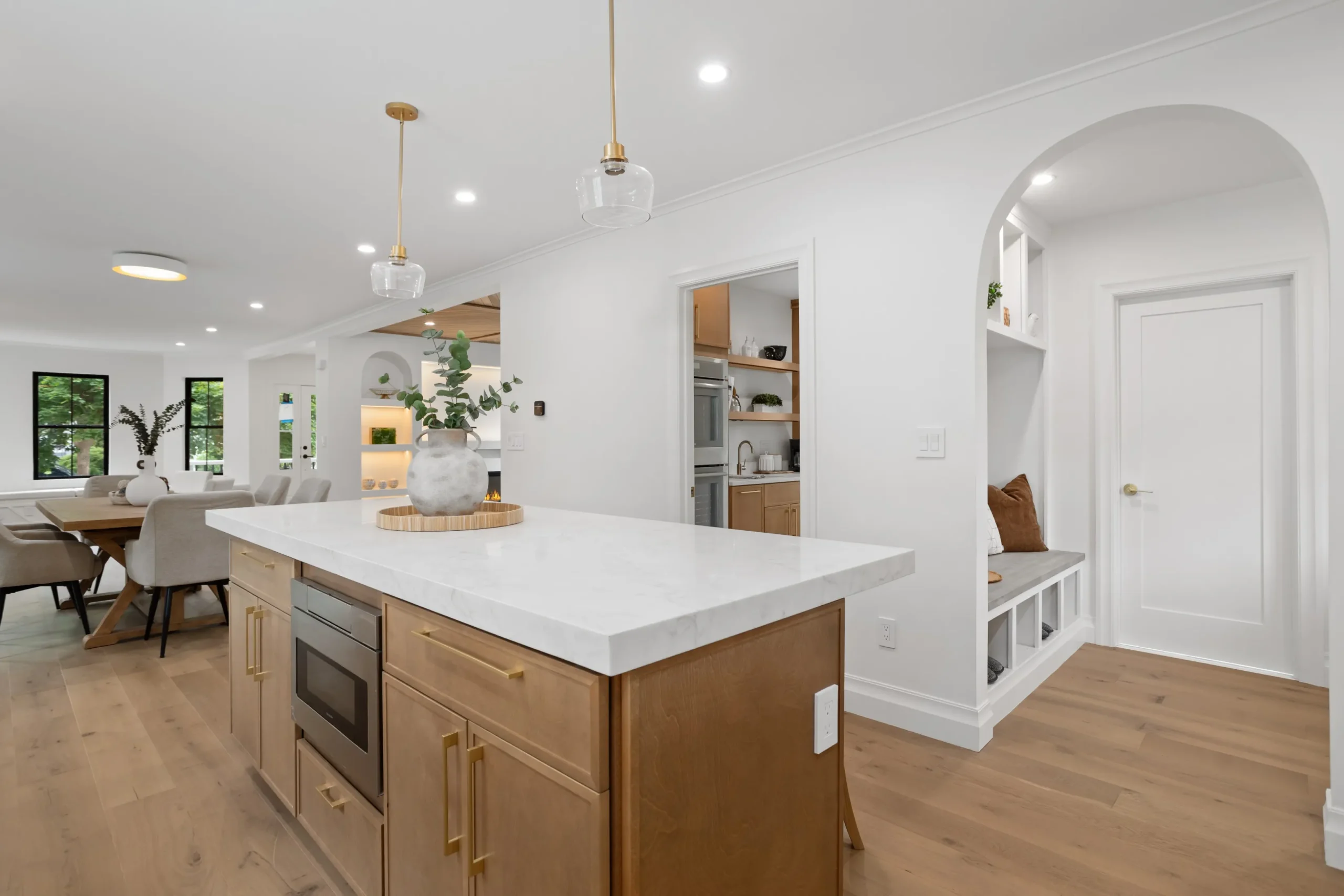
Thoughtful layout planning is a critical factor that influences the final appearance and functionality of the flooring. This step encompasses measuring the space, deciding on the most visually appealing and practical direction to lay the planks, and accounting for cuts that may be required along the perimeter or around fixtures. Meticulous planning is instrumental in preventing the installation of narrow strips of flooring along the walls, which can undermine both the stability and the visual balance of the floor. A meticulously devised layout is key to a smooth installation process and a visually satisfying outcome.
Performing moisture assessments on the subfloor prior to installation is a non-negotiable step in the preparation process. Elevated moisture levels can lead to warping or mold growth in SPC vinyl flooring over time. Moisture content can be determined using a moisture meter or conducting a calcium chloride test. If the moisture readings are excessive, it may be necessary to implement corrective measures such as installing a moisture barrier or rectifying the moisture source to preserve the flooring's integrity and ensure its enduring performance.
Assessing Cabinet Alignment: Key Measurements for Perfect Fit
Before the first plank is laid or the first tile is set, ensuring your subfloor is properly prepared is paramount for a successful SPC vinyl flooring installation. A well-prepared subfloor is the bedrock of durable and visually stunning flooring, and it is essential for both residential renovations and commercial construction projects where quality and longevity are non-negotiable.
Start by leveling the subfloor.
Next, cleaning the subfloor is crucial. All dust, debris, and particles must be removed. Cleanliness at this stage will ensure that nothing interferes with the adhesion process during installation. Use a vacuum followed by a damp mop to pick up any lingering dust. This meticulous cleaning will also help to prevent the trapping of moisture, which can be detrimental to the flooring material.
Key Steps for Subfloor Preparation:
Moisture testing is another critical step in the preparation process. Conducting a thorough moisture test can save you from potential flooring failures in the future. SPC vinyl flooring, while known for its moisture resistance, can still be affected by excessive subfloor moisture levels. Use a moisture meter to check the subfloor; if the moisture content is too high, it may be necessary to use a sealer or delay the installation until the subfloor dries to an acceptable level.
By adhering to these guidelines, you are setting the stage for a flooring installation that is not only aesthetically pleasing but also structurally sound. A properly prepared subfloor will help ensure that your SPC vinyl flooring remains a durable and attractive feature of your home or commercial space for years to come.
When embarking on the installation of SPC (Stone Plastic Composite) vinyl flooring, precision is paramount to ensure not only the durability but also the visual elegance of your space. It's a process that requires a meticulous approach, whether you're a homeowner sprucing up your kitchen or bathroom or a professional builder aiming for flawless finishes in your construction projects.
The first step is accurate measurement. Every corner, nook, and cranny must be accounted for, and the dimensions should be double-checked to ensure the perfect fit. This attention to detail will make the difference between a seamless finish and a floor that's prone to issues down the line.
Next comes the cutting process, which demands not just the right tools but also a steady hand and an eye for detail. SPC planks and tiles can be unforgiving; therefore, it's essential to cut with precision to avoid chipping or uneven edges that could compromise the floor's uniform look and feel. Always use a sharp blade and take your time to follow the marked lines closely.
Fitting the SPC flooring is akin to assembling a puzzle - each piece must slot into place with the utmost accuracy. Begin from a corner and work your way out, carefully snapping each plank or tile into place. It's crucial to leave a small expansion gap around the edges to accommodate any natural expansion or contraction of the material, thus preventing buckling or gaps.
The result, when done correctly, is a durable and aesthetically pleasing floor that stands the test of time and traffic. This process underscores CabStone's commitment to quality craftsmanship, offering peace of mind to homeowners and adding value to any commercial space. By adhering to these professional methods, you ensure that your SPC vinyl flooring not only looks spectacular but also retains its integrity for years to come.
Embarking on the installation of SPC (Stone Plastic Composite) vinyl flooring requires a detailed and careful approach to achieve both durability and aesthetic appeal. The following step-by-step guide ensures that your SPC flooring is installed correctly for optimal performance and longevity:
Subfloor Preparation: Start with a clean, level, and dry subfloor. Remove any debris, dust, or protrusions that could affect the installation's integrity. If installing over concrete, consider using a moisture barrier to protect against potential dampness.
Layout Planning: Identify your starting point, which is typically along the longest wall. Arrange the layout to minimize the size of cut planks around the room's edges. Temporarily placing some planks without fixing them helps visualize the finished look.
Alignment of Planks: Measure and trim the first row of planks to create a straight edge parallel to your starting wall. Leave an expansion gap of approximately 1/4 inch, using spacers to maintain this distance.
Click-Lock Connection: SPC flooring features a click-lock system for easy assembly. Tilt the plank at a 45-degree angle to engage the tongue-and-groove connection, then press down until it clicks into place, eliminating the need for glue.
End-Joint Staggering: Ensure that the end joints of consecutive rows are staggered by at least 6 inches. This pattern enhances the floor's structural integrity and visual appeal while evenly distributing weight across the surface.
Finalizing the Installation: After laying all planks, remove the spacers and install trim such as baseboards or quarter-round moldings to conceal the expansion gaps. These finishing touches also help to secure the flooring at the edges, preventing shifting.
Adhering to these steps ensures that your SPC vinyl flooring is installed to meet the highest standards of performance and aesthetics. Precision during the installation process is crucial for a floor that endures over time and underfoot traffic, reflecting CabStone's dedication to excellence in quality and installation craftsmanship.

When laying SPC vinyl flooring, meticulous attention to detail is paramount to ensure the longevity and aesthetic quality of the installation. A crucial element in this process is the incorporation of suitable expansion gaps around the room's perimeter. These gaps are indispensable, providing necessary room for the flooring to adjust to fluctuations in temperature and humidity.
Lack of adequate expansion gaps can lead to flooring issues such as buckling, warping, or the emergence of gaps between planks, undermining both the structural integrity and visual appeal of the flooring. Residential homeowners undertaking renovations in kitchens, bathrooms, or other areas of the home must prioritize this aspect to maintain the integrity and appearance of their new floors over time.
For professional builders and developers, recognizing the importance of proper expansion gap installation is critical to delivering a high-quality finish to clients, demonstrating a dedication to craftsmanship and a nuanced understanding of flooring installation. The recommended size of these gaps typically ranges from ¼ inch to ½ inch, though this may vary based on the manufacturer’s specifications and the dimensions of the installation area. Factors such as the subfloor type and the local climate should also be considered, as they can affect the flooring's expansion and contraction behavior.
Key Guidelines for Expansion Gap Sizing
To achieve the best performance, employ spacers during the installation process to ensure consistent gap sizes around walls and obstacles. After installation, these spacers can be removed, and the resulting gap should be concealed with baseboards or molding that allows the floor to move unimpeded. Such precision in installation not only extends the life of the flooring but also protects against potential complications, ensuring that the flooring remains a resilient and visually pleasing element of any space.
When installing durable SPC vinyl flooring, the precision with which you apply the finishing details can make all the difference in achieving a professional look and ensuring the longevity of your floors. Trims, moldings, and transition strips are not merely aesthetic embellishments; they play a crucial role in the structural integrity and performance of your flooring.
Selecting the right trims and moldings involves matching the material and color with your SPC flooring. It's essential to consider the expansion gaps required for vinyl flooring, as these materials can expand and contract with temperature changes. Moldings should cover these gaps without pinching the flooring, allowing for the necessary movement. Quarter round moldings or baseboards are often used along the edges of the room to create a clean finish and hide the expansion space.
Essential Considerations for Moldings and Trims:
Transition strips are equally important, especially where your vinyl flooring meets other types of flooring or surfaces. These strips not only contribute to a seamless aesthetic transition but also protect the edges of the flooring from wear and tear. For instance, a T-molding is ideal for doorways or between rooms where the flooring is at the same level, while a reducer strip is used when transitioning to a lower surface, such as carpet or tile.
Installation of these components must be done with care. Always pre-drill holes to prevent splitting when nailing in moldings, and ensure that the transition strips are securely fixed to the subfloor, not to the flooring itself, to allow for proper expansion and contraction.
By paying careful attention to these details, you not only enhance the beauty of your floors but also contribute to their durability. A well-executed installation is the hallmark of CabStone's commitment to quality craftsmanship, ensuring that your flooring stands the test of time in both functionality and style. Whether you're a homeowner embarking on a renovation project or a professional builder, these considerations are indispensable for a successful flooring installation.
After the expert installation of SPC vinyl flooring, the focus shifts to preserving its durability and aesthetic appeal. The right maintenance routine will ensure that your flooring remains a highlight in your residential or commercial space, contributing to the overall ambiance and functionality of the area.
Key Maintenance Tips for SPC Flooring:
With these practices, you'll not only extend the life of your SPC vinyl flooring but also maintain its stunning appearance for future enjoyment. Whether you're a homeowner planning a renovation or a builder seeking a reliable flooring solution, these tips are essential for maximizing the investment in your flooring.

Remember, the longevity of your flooring is not just about the initial installation—it's about ongoing care. By implementing these maintenance strategies, you'll ensure that your SPC vinyl flooring remains a durable and attractive element of your space, reflecting the high standards of craftsmanship and care that went into its installation.
Ideal temperature and humidity levels are essential for SPC vinyl flooring installation. Maintain a consistent room temperature between 65-85°F and humidity around 30-50% to prevent expansion or contraction post-installation, ensuring your flooring performs optimally.
After installing SPC vinyl planks, adding baseboards and transition strips can enhance both functionality and aesthetics. These elements help cover expansion gaps and provide a smooth transition between different types of flooring, completing the professional look of your space.
Before beginning the installation of SPC vinyl flooring, ensure you have the right tools. This includes a utility knife, tapping block, spacers, and a rubber mallet. Proper tools are crucial for precise cuts and seamless joints, which contribute to the longevity and appearance of your flooring.
The subfloor must be smooth, clean, and dry to support SPC vinyl flooring adequately. Any debris or irregularities can cause imperfections in the flooring surface. It's vital to repair any damage, remove existing adhesives, and check for moisture before laying the planks.


Ensuring optimal performance of SPC vinyl flooring involves several key steps, such as acclimating the flooring to the rooms temperature and humidity, preparing the subfloor by cleaning and leveling it, and carefully following the manufacturers installation guidelines. Additionally, using the right tools and adhesives, ensuring tight seams, and allowing for expansion gaps around the rooms perimeter are critical for the longevity and visual appeal of the flooring.
Professional installation is crucial for the longevity of SPC and engineered hardwood flooring because it guarantees that the flooring is installed correctly and with precision. Expert installers bring experience and specialized tools to the job, ensuring that the subfloor is properly prepared, the flooring is laid evenly, and expansion gaps are accurately measured. This attention to detail helps prevent issues such as buckling, gaps, or uneven wear, which can arise from improper installation.
CabStones emphasis on quality craftsmanship benefits homeowners and builders by providing them with assurance that their flooring installation will be executed with the highest standards of workmanship. This means that the flooring will not only look aesthetically pleasing but will also be durable and long-lasting, reducing the need for repairs or replacements. For builders and developers, partnering with a company that prioritizes quality installation aligns with construction timelines and ensures client satisfaction with the end result.